
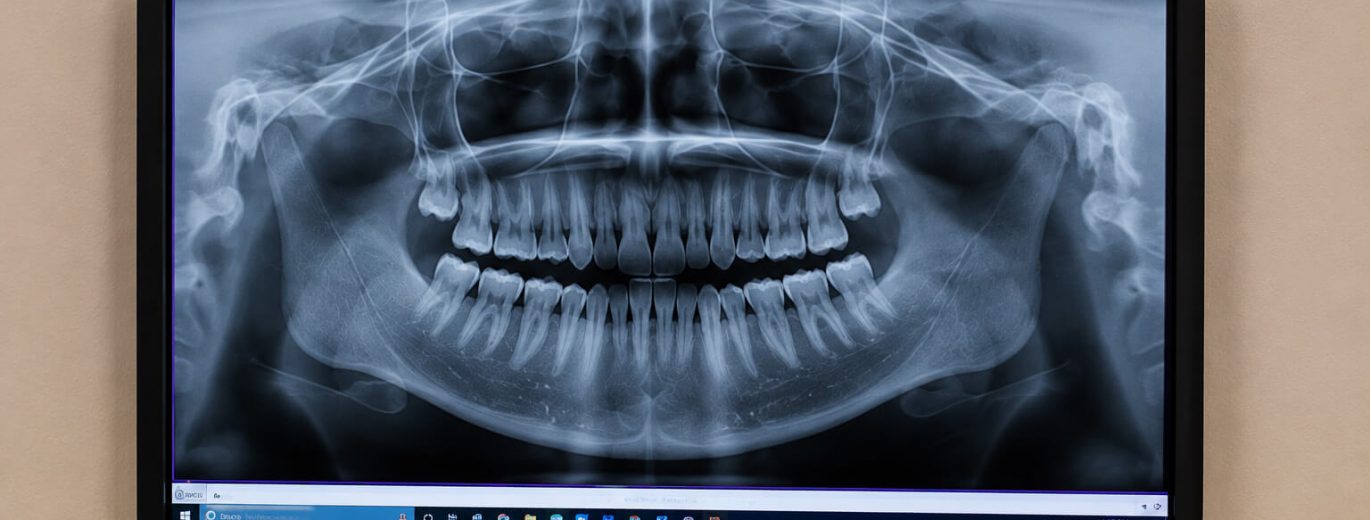
Losing a Tooth May Affect More Than Your Smile
Losing a tooth may not seem like a major change at first, especially if the gap is hard to see. You may adjust how you chew, avoid certain foods, or get used to the space.
Over time, without stimulation from the tooth root, the jawbone can shrink or weaken. As that support changes, the cheeks may look less full, the jawline may soften, and the area around the mouth can start to look older.
Bone grafting may help rebuild lost bone and create a stronger foundation for dental implants or improved jaw support.
Why Your Jawbone Needs Tooth Roots
Your teeth do more than help you bite and chew. Each natural tooth has roots that sit inside the jawbone. When you chew, those roots apply pressure to the bone, helping to keep it active, dense, and strong.
When a tooth is removed or lost, the root is gone too. Without that stimulation, the body may resorb, or break down, some of the bone in that area. This is why jawbone loss from missing teeth can become a concern, especially when a tooth has been missing for months or years.
Bone loss dBone loss does not happen the same way for every patient. Once the bone begins to shrink, it can affect nearby teeth, your bite, future dental implant options, and the natural contours of your face.
Missing Teeth Can Change Facial Appearance
Your jawbone helps support the lower part of your face, including your cheeks, lips, and jawline. When teeth are missing and the bone begins to shrink, that support can slowly change.
For some patients, this may cause the cheeks to look thinner, hollow, or tired. This is sometimes described as a “sunken face” from missing teeth, especially when several teeth have been missing for a long time.
The jawline may also appear less firm or defined. In advanced cases, patients may notice what is called facial collapse from missing teeth. This usually happens gradually and may become more noticeable in photos, the facial profile, or how the lower face rests.
Missing teeth and jawbone loss can allow the lips and surrounding tissues to shift inward. This may make lines around the mouth more noticeable or give the lower face an aged appearance.
There canThere can also be changes in the bite. When a tooth is missing, surrounding teeth can gradually shift into the space left. This can change how your upper and lower teeth come together, making chewing less comfortable or your bite feel uneven.g missing teeth is not just about how your smile looks. It also helps protect the foundation that supports your bite, facial structure, and long-term oral health.
What Is Bone Grafting?
Bone grafting is an oral surgery procedure used to rebuild or preserve bone where the jaw has lost volume. Bone loss in the jaw can result from missing teeth, periodontal disease, trauma, infection, or tooth extraction.
During a bone grafting procedure, grafting material is placed where bone is missing or weakened. Over time, the body uses this material as a framework to support new bone growth.
At First Coast Oral Surgery, we use bone grafting to help restore jawbone support where it has been lost. Depending on your needs, this may create a stronger foundation for dental implants or help support the natural contour of your jawline.
Bone grafting expertise may include:
- Socket preservation after extraction
- Ridge augmentation for implant preparation
- Sinus lifts for upper jaw implant placement
- Guided tissue regeneration techniques
- Advanced platelet-rich plasma therapy to support healing
The right approach depends on the amount of bone present, the location of the missing tooth, the patient’s health history, and the long-term treatment plan.
How Bone Grafting Helps Before Dental Implants
Dental implants are among the most effective long-term options for replacing missing teeth because they function like artificial tooth roots. Once placed in the jawbone, an implant can support a crown, bridge, or full-arch restoration.
Dental implants need enough healthy bone to remain stable. If the jawbone has become too thin, short, or weak after tooth loss, bone grafting may be recommended before implant placement or sometimes at the same time as another procedure.
A bone graft can help rebuild the area so the implant has a stronger foundation. This is important for patients who have had missing teeth for a long time or who have been told they may not have enough bone for implants.
For patients searching for a dental bone graft in Jacksonville, FL, the first step is a consultation with an oral and maxillofacial surgeon. Advanced imaging can help determine how much bone is available and whether grafting is needed before moving forward with dental implants.
Can Bone Grafting Help Restore Facial Contour?
Bone grafting is commonly used when a patient wants dental implants but lacks enough healthy jawbone to support them. It may also help rebuild areas of the jaw that have lost shape or volume after a tooth has been missing for a while.
When bone loss changes how the cheeks, lips, or jawline are supported, rebuilding the area can create a stronger foundation. Bone grafting is not meant to reverse facial aging or act like a cosmetic procedure, but it may help restore support where tooth loss has altered the jaw.
For many patients, bone grafting is one step in a larger plan. The graft helps rebuild the area, and a dental implant can later replace the missing tooth root to help support the bone over time.
When Should You Ask About Bone Grafting?
Schedule a consultation if you are missing one or more teeth and have noticed changes in your face, bite, or jawline. You may also benefit from an evaluation if you are considering dental implants but are unsure if you have enough bone.
Common reasons to ask about bone grafting include:
- You have had a missing tooth for several months or years
- Your cheeks look more sunken than they used to
- Your jawline appears less defined
- Your dentures feel loose or no longer fit well
- You have been told you may not have enough bone for implants
- You are planning to replace missing teeth with dental implants
Even if a tooth has been missing for a long time, treatment may still be possible. A consultation can determine what options are available based on your bone structure and goals.
Frequently Asked Questions About Missing Teeth and Bone Grafting
- Can missing teeth make your face look sunken?
Yes. When teeth are missing, the jawbone can slowly lose volume because the tooth roots are no longer stimulating it. As that support changes, the cheeks, lips, and lower face may start to look less full or more aged.
- Do I always need a bone graft before dental implants?
Not always. Some patients already have enough healthy jawbone to support a dental implant. Others may need a bone graft first to rebuild the area and give the implant a stronger, more stable foundation.
- Is bone grafting only used for dental implants?
No. Bone grafting is commonly used to prepare for dental implants, but it may also be used to preserve bone after extraction, rebuild lost bone volume, or improve the underlying jaw contour.
- Is bone grafting painful?
Bone grafting is performed with appropriate anesthesia, and sedation options may be available depending on the procedure and patient needs. Some soreness or swelling is expected during healing, but your surgical team will provide instructions to help you recover as comfortably as possible.
Bone grafting is performed with appropriate anesthesia, and sedation options may be available depending on the procedure and patient needs. Some soreness or swelling is expected during healing, but your surgical team will provide instructions to help you recover as comfortably as possible.
Schedule a Bone Grafting Consultation
Missing teeth affect more than your ability to chew. Over time, they can change the bone structure that supports your smile, bite, and even the shape of your face.
If you are missing teeth and concerned about jawbone loss, facial changes, or your ability to get dental implants, First Coast Oral Surgery is here to help. Our team provides advanced bone grafting and dental implant treatment for patients across Northeast Florida.
Schedule a consultation to learn whether bone grafting is right for you. Our team will evaluate your needs, clearly explain your options, and help you take the next step toward restoring the foundation of your smile.