
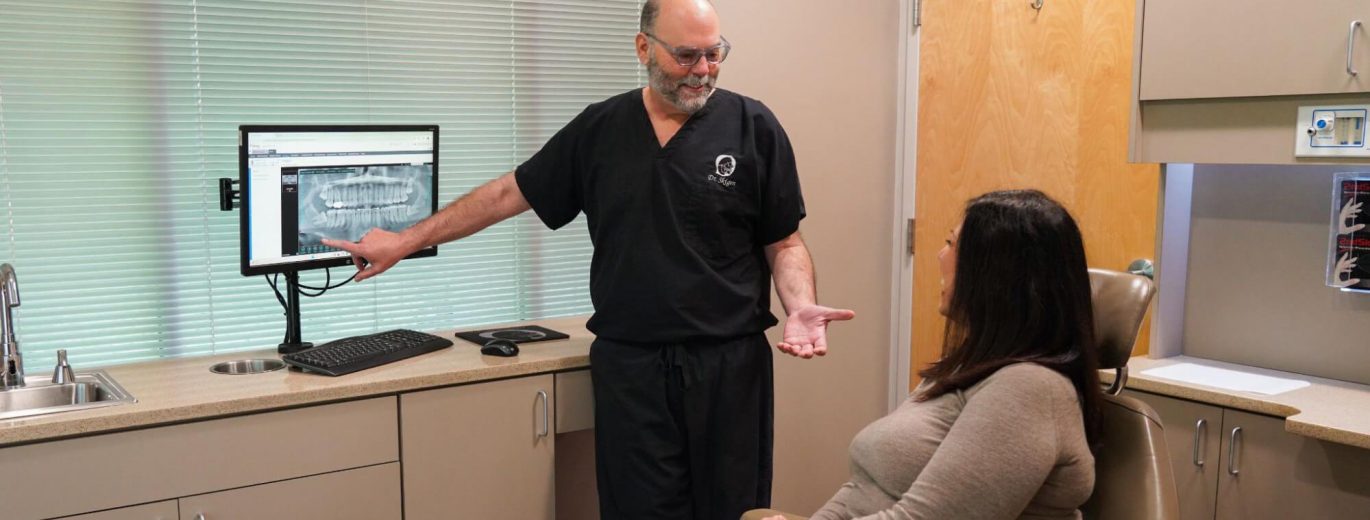
Some patients come to First Coast Oral Surgery after their dentist identifies a problem during an examination or on an X-ray, while others have been dealing with a troublesome tooth for some time. Whatever brings them in, an important part of the consultation is understanding whether the tooth can still be saved and what options are available if removal is necessary.
Dentists have several ways to preserve damaged teeth, including fillings, crowns, and root canal treatment. However, when these treatments are no longer appropriate, understanding why extraction has been recommended can help you prepare for the procedure and consider what comes afterward.
Here are five common reasons a tooth may need to be extracted.
5 Reasons a Tooth May Need to Be Extracted
1. Severe Tooth Decay
Tooth decay develops gradually, beginning in the enamel and progressing into the softer structures underneath. Fillings, crowns, and root canal treatment can often restore damaged teeth, but the available options become more limited when decay has destroyed a significant portion of the tooth.
When too little healthy tooth structure remains to support a restoration, extraction may become necessary. The extent of the damage isn’t always visible from the outside, which is why a thorough dental examination, supported by appropriate X-rays when needed, is important when determining whether a tooth can still be saved.
2. Significant Infection
When an infection develops inside a tooth or affects the surrounding tissues, treatment needs to address its source. Root canal treatment can often preserve an infected tooth, but extraction may become necessary when the infection cannot be successfully treated or the tooth cannot be restored afterward.
Although antibiotics may be prescribed in certain situations, such as when an infection is spreading, they are generally not a substitute for treating the affected tooth. When preserving the tooth is no longer viable, extraction and dental surgery may be recommended to address the problem.
3. A Tooth That Is Fractured Beyond Repair
Teeth can fracture for several reasons, including accidents, heavy biting forces, or structural weakness caused by extensive previous dental work. However, a cracked tooth does not automatically need to be removed, since many fractures can be treated depending on their location and severity.
What matters most is how far the fracture extends and how much healthy tooth structure remains. A fracture confined to the crown may be repairable, while one extending deep into the root can make it difficult or impossible to restore the tooth. At First Coast Oral Surgery, we perform both simple and complex extractions, including cases where fractures have left teeth too damaged to restore.
4. Problems After Previous Root Canal Treatment
Root canal treatment is designed to preserve a natural tooth by removing infected or damaged tissue from inside it. Although the procedure can successfully maintain a tooth for many years, some patients experience persistent discomfort, recurrent infection, or new structural problems following treatment.
These complications don’t necessarily mean the tooth must be removed, since retreatment, endodontic surgery, or a new restoration may still be possible depending on the cause. However, when these approaches are unsuccessful, unsuitable, or unlikely to provide a lasting solution, extraction may be recommended.
5. Advanced Periodontal Disease and Bone Loss
Your teeth depend on the surrounding gum tissue and jawbone for support, which is why advanced periodontal disease can become a serious concern even when the tooth itself is intact. As the disease progresses, the supporting bone may deteriorate, eventually leaving teeth loose or difficult to maintain.
A diagnosis of gum disease doesn’t mean the affected teeth will be lost, and periodontal treatment can often help manage the condition and preserve them. However, when bone loss is severe, your dentist or surgeon will need to assess whether the tooth still has enough support to remain stable. At First Coast Oral Surgery, we evaluate teeth that have been recommended for extraction and discuss the surgical options available, including bone grafting when appropriate.
What Should You Consider After a Tooth Extraction?
If a tooth needs to be removed, it’s worth discussing what comes next before the procedure takes place. Whether you’re considering a dental implant or exploring other tooth replacement options, planning ahead can help determine if additional procedures, such as bone grafting, may be necessary.
Bone Grafting and Socket Preservation
When a tooth is removed, the surrounding jawbone can gradually lose volume because it no longer receives stimulation from the tooth. This is particularly important if you’re considering a dental implant, since having sufficient healthy bone is an important part of successful implant placement.
At First Coast Oral Surgery, bone grafting and socket preservation may be incorporated into your treatment plan to help maintain or rebuild the jawbone. Socket preservation can help limit bone loss following an extraction, while procedures such as ridge augmentation and sinus lifts can prepare areas where additional bone support is needed for future dental implants.
Not every extraction requires bone grafting, however, and the recommendation depends on several factors, including your existing bone structure, the location of the missing tooth, and your plans for replacing it. Discussing these considerations before your extraction allows us to evaluate your options and plan for any additional procedures that may be appropriate.
Dental Implants
A dental implant is one option for replacing a missing tooth. It consists of a titanium post that is surgically placed in the jawbone, where it integrates with the surrounding bone and provides support for a dental restoration. Whether an implant is appropriate depends on factors such as bone volume, gum health, medical history, and the location of the missing tooth.
At First Coast Oral Surgery, we use advanced 3D imaging to evaluate your jawbone and plan dental implant placement, working closely with your general or restorative dentist, who typically places the final crown. This coordination helps us develop a treatment plan that considers both the surgical procedure and the final restoration, including whether bone grafting or other preparations may be needed before implant placement.
Let’s Talk About Your Options
If your dentist has recommended an extraction, our team at First Coast Oral Surgery can help you understand the procedure and plan your next steps.
Our board-certified oral surgeons coordinate treatment with your dentist and offer sedation options, including nitrous oxide and IV sedation, to accommodate individual treatment needs and help patients feel more comfortable. If you’ve been referred to our practice, you can also learn what to expect before your consultation.
Whether you’re preparing for an extraction or considering options for replacing a missing tooth, we’re here to answer your questions and help you understand your treatment options. Request an appointment with First Coast Oral Surgery at one of our five Northeast Florida locations in Jacksonville, Amelia Island, Lake City, Orange Park, or Palm Coast.
This article is for general informational purposes and is not a substitute for a professional dental evaluation. Whether a tooth can be saved depends on its condition and the surrounding bone and tissues, which your dental professional will assess through an examination and, when necessary, imaging.